The Last Garden Chore: Winterising Outside Taps Without Inviting a Burst Pipe
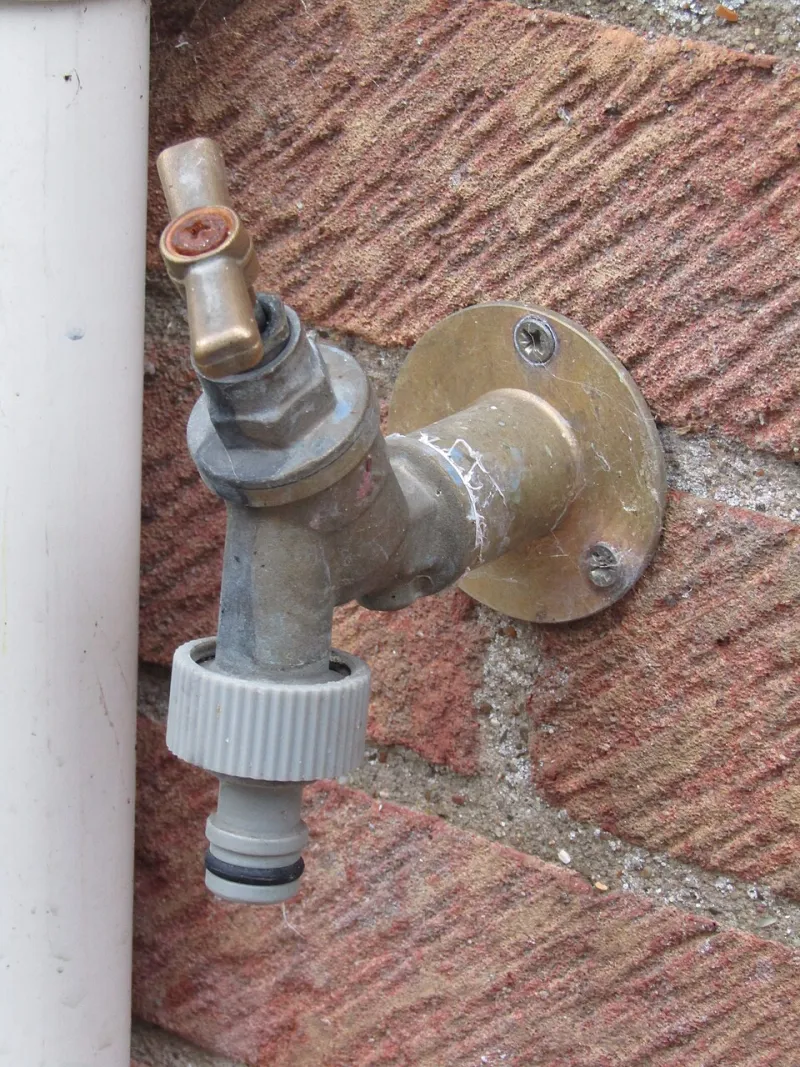
Photo: Kolforn (Kolforn) I'd appreciate if you could mail me ([email protected]) if you want to use this picture out of the Wikimedia project scope. This file is licensed under the Creative Commons Attribution-Share Alike 4.0 International license. Yo
By mid-November, most gardens have settled into their quiet season. The mower is away, the hose reel looks redundant, and the outside tap is easy to forget. That is precisely when a short, methodical routine pays for itself. Water left in an exterior pipe has nowhere to go when it freezes, and the resulting split often appears indoors — behind a kitchen wall, under a utility floor, or at a joint that was never designed to be reached in a hurry.
Why an outside tap deserves a place on the winter list
An outside tap is a simple convenience with a long supply line. The visible bib tap may sit on a sunny wall, but the pipe feeding it often runs through a colder cavity, garage, or unheated utility room. A single cold night can freeze a short section and crack the pipe or push a joint apart. The leak may not show until a thaw, when water appears in the wrong place. Winterising is not about wrapping everything in layers; it is about removing water from parts that cannot be protected, isolating the supply, and leaving the rest with room to expand.
Begin at the isolation valve, not at the tap
Before anything is disconnected, find the valve that controls the outside tap. In many homes it sits inside the building, often under the kitchen sink, in a utility cupboard, or close to where the pipe passes through the wall. Test it before relying on it: turn it off, then open the outside tap. If flow stops within a few seconds, the valve is working. If the tap continues to run, or the valve is stiff, weeping, or will not turn fully, do not force it. A seized valve can shear at the spindle, and a passing valve will leave the pipe charged all winter. That is a job for a qualified plumber.
Disconnect everything that holds water
Hosepipes, spray guns, timers, splitters, and irrigation lines all trap water. A hose left connected can freeze solid and split the tap body or the pipe behind it. Disconnect every attachment, empty it, coil it loosely, and store it dry. If you use drip irrigation, follow the manufacturer's draining instructions; do not assume opening the tap empties every line. Water butts and garden features are separate from the mains, but check overflows are clear so a thaw cannot redirect water into a wall or path.
Drain the run and leave a route for expansion
With the isolation valve closed, open the outside tap fully. If there is a drain-off valve on the run, open it and catch the water in a bucket. This is the step most often skipped. Closing the valve does not empty the pipe between valve and tap; it traps a plug of water in the most exposed place. Once flow stops, leave the outside tap open. This gives residual water an escape route and prevents pressure building. Check beneath the tap and around the pipe entry for drips. A steady trickle suggests the isolation valve is passing and should be repaired.
Insulate what remains exposed
Insulation is useful but not a substitute for draining. Fit closed-cell lagging to exposed pipe, especially where it passes through the wall. Purpose-made insulated covers for outside bib taps are preferable to rags or plastic bags, which can hold moisture and conceal a leak. Do not block air bricks or ventilation openings to keep a pipe warm. If the pipe runs through a garage, shed, or outbuilding, check the lagging is intact and the pipe is not resting on a cold floor.
Check adjacent waste pipes and overflows
Exterior water points rarely stand alone. A boiler condensate pipe, rainwater downpipe, or overflow may run nearby and can freeze. A frozen condensate pipe will usually stop a boiler, while a blocked overflow can send water down a wall. Clear leaves from gullies, check downpipes are secure, and lag exposed condensate runs in line with the boiler manufacturer's guidance.
Mistakes that turn a small job into a burst pipe
- Closing the isolation valve but forgetting to open the outside tap and drain the run.
- Leaving a hose connected, so water is trapped against the tap.
- Forcing a stiff valve instead of having it replaced.
- Wrapping a tap in absorbent material that stays wet and freezes.
- Assuming a second outside tap, garden room supply, or outside WC has been dealt with.
- Ignoring a drip after draining, which may indicate a passing valve.
- Using boiling water or a naked flame to thaw a pipe that has already frozen.
When to stop and call a qualified plumber
Call a qualified plumber if there is no isolation valve, if the valve will not shut off, if it leaks from the gland, or if the pipework is buried, boxed in, or shared with a neighbour. A plumber should also check any new or altered outside tap for correct backflow protection, such as a double check valve, as required by the water fittings regulations. If a pipe has already frozen, do not use a naked flame or boiling water. Turn off the supply if possible, open the nearest tap, and call for help. A thawed pipe can reveal a split that was not visible while frozen.
A short checklist for the weekend
- Locate and test the isolation valve.
- Disconnect and drain hoses, timers, and irrigation lines.
- Open the outside tap and any drain-off; leave the tap open.
- Insulate exposed pipe and fit a tap cover.
- Check waste pipes, overflows, and condensate runs.
- Look for drips, and book a plumber if anything is uncertain.
A modest amount of time now is preferable to a repair bill in January. RCR Services sees the consequences of skipped winter routines every year; the outside tap is a small piece of plumbing but one of the most exposed. Treat it as part of the seasonal routine, and the first hard frost can arrive without taking the supply pipe with it.