The Neglected Quarter: A Winter Plan for Garages, Sheds and Garden Rooms
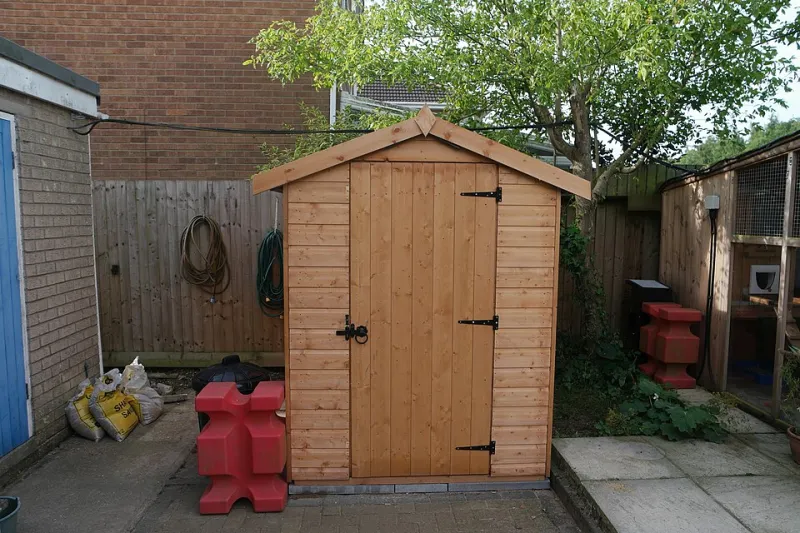
Photo: Bob Harvey , CC BY-SA 2.0, via Wikimedia Commons
Outbuildings occupy an odd place in the UK home. They are close enough to be ignored and costly enough to matter when they fail. A garage, shed or garden room may store tools, garden furniture, bicycles or seasonal equipment, and some are used as workspaces throughout the year. Yet their roofs, seals and electrics rarely receive the same attention as the main house.
A practical winter plan does not need to be elaborate. It is better understood as two stages: a pre-winter inspection before the first hard frost and a mid-winter review after the worst of the wind and rain has arrived. The aim is not to turn every homeowner into a roofer or electrician. It is to identify the small faults that can be managed safely and to recognise the larger ones that need a qualified trade.
Why outbuildings deteriorate differently
A house benefits from regular occupation, background heat and frequent observation. An outbuilding often has none of these. Unheated space, limited air movement and intermittent use allow damp to build quietly. Wind-driven rain finds gaps that a summer shower would not. Timber swells, metal fixings corrode and seals harden. Garden rooms with power, insulation and glazing behave more like small houses, but they are still vulnerable because faults may go unnoticed between visits.
The first principle is therefore observation. Before winter, walk around each structure in daylight and look deliberately at the roof, walls, doors, windows, gutters, ground levels and any electrical fittings. The second is restraint: check what can be checked safely, and stop at the boundary of competence.
Pre-winter: the roof and rainwater system
Begin at ground level and look up. Missing, cracked or displaced roof coverings are common after a windy autumn. On a garage or shed with a felt or sheet roof, check for lifted edges, ponding, sagging or clear signs of water tracking down the inside of the walls. Do not climb onto a fragile roof or work at height without proper equipment and experience. Binoculars and a torch from a safe position are sufficient for a first look.
Clear leaves from gutters and downpipes where they can be reached safely from a stable ladder on firm ground. Confirm that water runs away from the building rather than pooling against the base. A blocked downpipe can send water into the wall or floor long before a roof covering fails. If access is awkward, or the roof is high, steep or fragile, record the concern and arrange a trade inspection.
Doors, windows and the weather seal
Test every external door and window. They should close without force, latch securely and show no daylight around the frame. Check draught seals, brush strips and glazing gaskets for hardening, splitting or detachment. A garden room with large glazed panels deserves particular attention, as failed seals can admit water and make heating ineffective.
Timber doors that have begun to bind are often reacting to moisture rather than to a sudden mechanical fault. Do not force them or plane them without understanding the cause. A modest adjustment may be within DIY scope, but repeated binding, soft timber or damp patches around the frame warrant a professional assessment.
Ventilation and damp checks
Ventilation is not the enemy of a secure outbuilding. It is what allows moisture to escape. Look for blocked air bricks, sealed vents and stored items pressed against walls. In sheds and garages, keep a gap between goods and the structure so air can move. Check for condensation on tools, metal shelving, windows and the underside of roof coverings. Persistent condensation, musty smells or tide marks on walls suggest that moisture is being trapped.
Garden rooms used as offices or hobby spaces need a balance between warmth and air changes. Portable heaters and sealed rooms can produce condensation, while unheated rooms may suffer from cold surfaces and damp air. If a garden room has insulation, heating and glazing, treat it as a small building in its own right and investigate damp rather than simply wiping it away.
Electrical safety and heating
Before using any outbuilding circuit for heaters, tools or lighting, inspect the visible condition of sockets, switches, cables and consumer units. Look for cracked casings, scorch marks, loose fittings, exposed conductors or water staining. Test residual current devices where the installation provides them, following the manufacturer's instructions. Do not open consumer units or alter wiring unless qualified.
Any outbuilding with power should have protection appropriate to its use, including consideration of damp and outdoor conditions. If a circuit trips repeatedly, a socket is warm, or an extension lead has been run through a doorway or across wet ground, stop using it and seek professional advice. Portable heaters should be kept clear of stored materials and never left unattended in a shed or garage.
Security and storage before the cold arrives
Winter darkness makes outbuildings easier to overlook and easier to target. Check locks, hinges and hasps, and confirm that doors cannot be lifted from their tracks. Secure windows and consider whether tools and cycles are visible from outside. Battery-powered alarms and external lighting can help, but they must be suitable for the location and maintained.
Raise stored items off concrete floors using pallets or shelving. Move garden furniture, hoses and painted equipment under cover, and drain water from anything that could freeze. Keep pathways to the outbuilding clear so that inspection remains safe in wet or icy conditions.
Mid-winter: the follow-up review
After a period of strong wind and rain, repeat the external walk-through. Look for new roof damage, displaced flashing, blocked gullies, saturated ground and water entry around frames. Inside, check for fresh damp patches, condensation and any smell of overheating from electrical equipment. Confirm that locks still operate and that doors have not swollen or dropped.
This is also the point to review how the building is being used. If a heater has been added, if storage has increased, or if a garden room is occupied more often, ventilation and electrical demand may have changed. Adjust where possible and record defects that need attention.
Where DIY should stop
The sensible division is straightforward. Homeowners can observe, clear accessible gutters, test seals, improve storage, check visible electrics and keep ventilation clear. Work at height, roof repairs, electrical alterations, damp diagnosis, structural movement and stubborn door or window faults belong with qualified trades. A short written record of what was found, with photographs and dates, will make any professional visit more efficient.
Outbuildings repay a modest amount of attention. A pre-winter inspection and a mid-winter review are enough to catch many problems while they are still small, and to identify the ones that should not be left until spring.