Before the Doorbell Rings: A Calm Inspection of Spare Beds and Guest Bathrooms

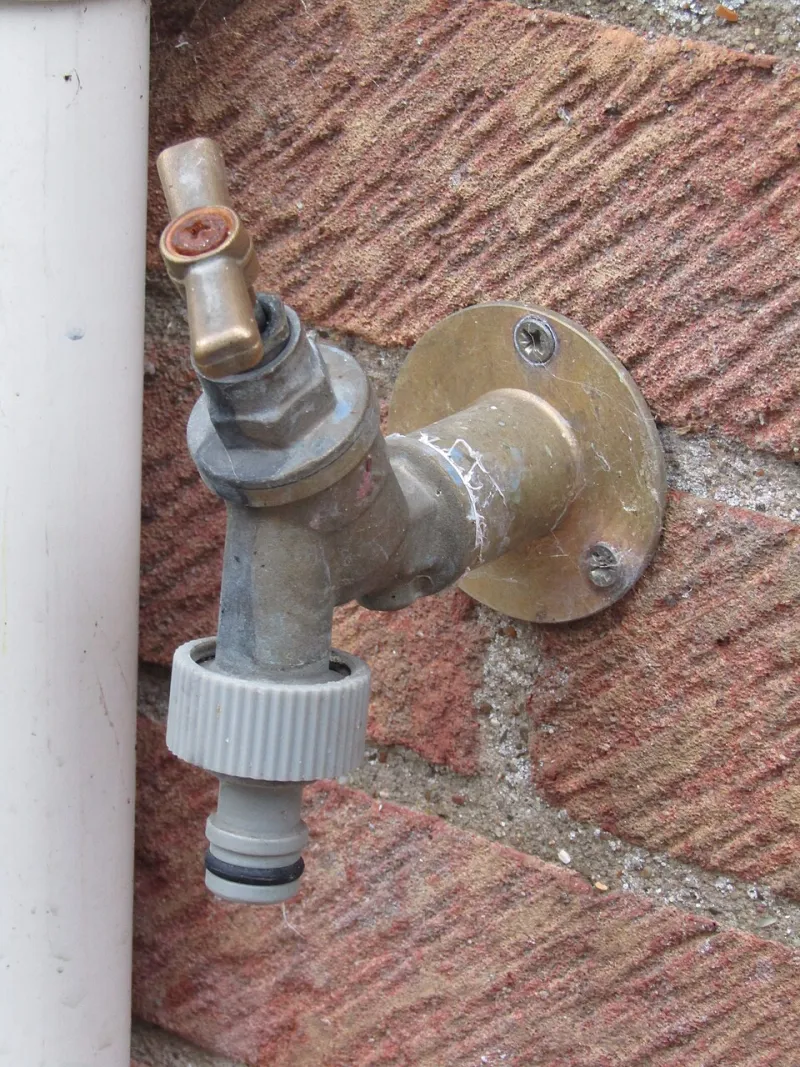
Photo: Dr Neil Clifton, CC BY-SA 2.0, via Wikimedia Commons
There is a particular kind of domestic disappointment that arrives late in the evening, shortly after a guest has been shown to the spare room. A radiator that will not warm, a shower that drains slowly, a bedside lamp that fails at the switch: none is a disaster in itself, but each is awkward to resolve once the house has settled. A short, methodical inspection before visitors arrive is therefore less about presentation than about removing small sources of friction from the visit.
The aim is not to turn a spare room into a hotel suite. It is to confirm that the ordinary systems a guest will rely on — warmth, ventilation, water, light, security and warning devices — are in working order. The checks below can be carried out over an afternoon, ideally a week or two before arrival so that any repair can be arranged without urgency.
Begin with the room as a visitor will meet it
Open the door and pause. Notice the temperature, the smell and the light. A spare room that has been closed for weeks may feel damp or stuffy even when there is no underlying defect; opening a window and allowing air to move is often enough. Check that the window opens and closes without excessive force, and that any trickle vent or background ventilator moves freely and is not blocked by curtains or furniture.
Look at the ceiling and walls around windows for signs of condensation or recent staining. A faint musty smell in a rarely used room is worth investigating before it is attributed to bedding or carpet. If the room has been shut up since the warmer months, a day or two of ventilation will help distinguish stale air from a persistent problem.
The spare bed: warmth, air and access
A guest should be able to control the heat in the room without wrestling with the radiator. Check that the thermostatic radiator valve turns through its range rather than remaining stuck at one setting. If the valve is stiff but still moves, note it; if it does not respond at all, or if there are signs of leakage around the valve or pipework, record it for a competent heating engineer rather than forcing it.
With the heating on, feel the radiator across its surface. A radiator that is warm at the bottom but cold at the top may need bleeding, provided the system and valves are suitable and the task can be done safely. A radiator that remains cold throughout, or one connected to a sealed system where the pressure is low, is better assessed by a trade. The same applies to any unusual noise, such as knocking or gurgling, that appears when the heating starts.
Check the bedside lamps and any wall lights, including the switches and plugs. Confirm that the plug and cable are undamaged and that the lamp is not relying on an adapter that crowds the socket. If a bulb has failed, replace it with one of the correct type and wattage; do not fit a higher-output bulb unless the fitting is rated for it.
Finally, test the door from both sides. The key should turn without excessive force, the handle should return cleanly, and the door should close without scraping the floor. A lock that is merely dry may respond to a suitable lock lubricant, but a lock that is difficult to operate, loose in its housing or unreliable with the key is a job for a locksmith. Leave a spare key in a known, secure place, and make sure the guest knows how to use the lock from inside.
The guest bathroom: water where it should go
In the bathroom, begin with the shower waste. Run the shower for a few minutes and watch how quickly the water clears. A slight gurgle is not necessarily a fault, but standing water or a waste that slows noticeably suggests a partial blockage. If the shower trap is designed for user access, remove trapped hair and rinse the parts; if it is sealed or difficult to reach, do not prise it open. A drainage problem that returns after cleaning, or one that affects other outlets, should be passed to a trade.
Unscrew the tap aerator where it is accessible and descale it in a suitable proprietary solution or warm water. This simple step can restore flow and reduce splashing. If the aerator is seized, leave it in place; forcing it can damage the tap. While running the taps, check for drips at the base and for water that runs away slowly from the basin. A persistent drip from a tap body or a waste that leaks beneath the basin is best recorded for a plumber.
Test the extractor fan if the bathroom has one. It should start promptly and continue for a short period after the light is switched off, depending on its type. Clean the grille if it is dusty, but do not remove or adjust the fan itself. Also check the toilet flush, the seat fixings and the towel rail or radiator. None of these needs to be perfect, but a loose seat or a flush that requires several attempts is easier to address before a guest discovers it.
Alarms, bulbs and the small stock
Smoke alarms and carbon monoxide alarms should be tested using their test buttons, following the manufacturer's instructions. Replace batteries where the alarm indicates that this is required, and never remove an alarm because it has sounded unexpectedly; investigate the cause. If an alarm is coming to the end of its service life, replace the unit rather than waiting for it to fail. Mains-powered alarms should be left to a competent person if there is any doubt about the wiring.
Keep a small stock of spare bulbs for the fittings in the spare room and bathroom, along with the correct batteries for any battery-powered devices. A spare toilet roll, a clean shower mat and a working night light are minor provisions, but they prevent small inconveniences from becoming requests for help in the middle of the night.
One list, one visit
As you move from room to room, keep a single written list. Record the room, the item, the symptom and anything you have already tried. This avoids the common pattern of discovering one fault, arranging a visit, and then finding three more issues after the engineer has left. Where several small jobs are non-urgent, group them for one planned repair visit so that parts and time can be arranged together. A clear list also helps a maintenance provider decide whether the work needs a plumber, an electrician, a heating engineer or a general handyperson.
Some tasks should not be grouped casually. Work on gas appliances, fixed electrical wiring, sealed heating systems and locks that affect security should be carried out by someone competent in that field. If water is escaping, isolate the supply where it is safe to do so and seek urgent help. If there is a smell of gas, follow the emergency procedure for your supplier and do not operate switches or naked flames.
A pre-visit sweep is not a substitute for proper maintenance, but it is a sensible way to catch the small failures that guests notice first. Allow an afternoon, work room by room, and leave the list in a safe place. The reward is a quieter house when the doorbell rings — and fewer reasons to be searching for a torch at midnight.