When Nobody's Home: A Maintenance Protocol for Empty Properties and Holiday Lets
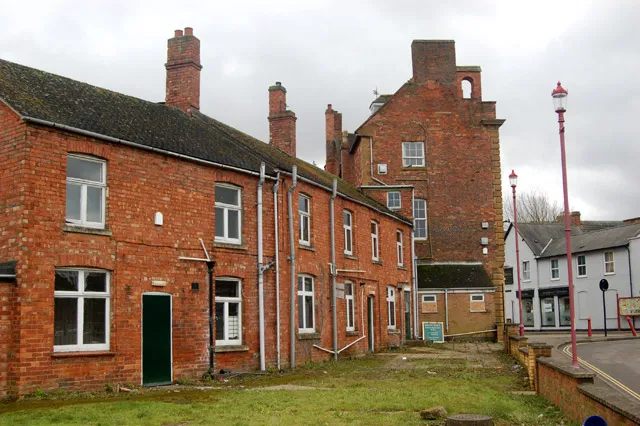
Photo: In Depth, CC BY-SA 2.0, via Wikimedia Commons
An occupied home is, in effect, a machine that runs on presence. Doors open and close, taps run, heating cycles, air moves through the rooms, and small faults announce themselves long before they grow expensive. Remove the occupant for six weeks and the same building becomes a far quieter test of its own systems, with nobody on hand to notice the drip behind a cistern or the first faint smell of damp in a back bedroom.
That shift in conditions is why insurers, letting agents and maintenance firms all treat unoccupancy as a distinct risk category rather than an extended holiday. The property has not changed, but the margin for catching problems early has.
Why an empty house deteriorates faster
Three factors do most of the damage. First, heat: an unheated house stays colder for longer, so surfaces fall below the dew point more readily and moisture condenses on external walls, window reveals and the backs of wardrobes. Second, ventilation: without anyone opening windows or using extractor fans, stale humid air sits in kitchens and bathrooms. Third, observation: faults that a resident would spot in a day — a soft patch of plaster, a toilet that refills itself, a faint smell of drains — can run unchecked for a month.
Water traps in sinks, baths and showers also lose their seal as the water evaporates, allowing sewer gases into the property. Pipes holding stagnant water are more susceptible to frost damage in a cold snap, and a house that is never warmed offers no buffer when temperatures fall hard.
The risks that accumulate quietly
Escape of water remains one of the most common and most costly categories of UK household claim, and unoccupied properties are disproportionately represented. The usual culprits are frozen or split pipework, failed flexible hoses behind washing machines and dishwashers, perished inlet valves on toilets, ageing immersion heaters and loft tanks, and gradual pressure loss on sealed heating systems.
Damp and mould develops on cold external walls, in corners behind furniture and around windows that are never opened. Left long enough, it moves from surface discolouration into the plaster and joinery.
Blocked gullies and drains are easily overlooked when nobody is using the facilities. A gully full of leaves during a heavy downpour can force water back against the building, sometimes into airbricks and sub-floor voids.
Alarm failures are both a safety and a compliance matter. Smoke alarms with sealed long-life batteries should still be tested before departure; carbon monoxide alarms should be checked and their expiry dates noted.
Pests and security round off the list. Rodents and squirrels find empty lofts attractive, wasps build under eaves undisturbed, and an unlit property with uncollected post and an overgrown garden advertises its own emptiness.
Insurance: read the conditions first
This is the step most owners skip, and the one that decides whether a claim is paid. Many UK home policies reduce or restrict cover once a property has been unoccupied for a set period — commonly 30, 45 or 60 consecutive days. Beyond that threshold, policies frequently exclude escape of water, theft, malicious damage and vandalism, or impose conditions such as turning off the water supply at the mains, draining down the system, and arranging inspection at agreed intervals.
Holiday lets sit in a different market again. A property that is busy from Easter to October and empty through the winter months may be subject to specific off-season conditions under a commercial or holiday-let policy. Assumptions carried over from a standard domestic policy are unsafe.
The practical course is straightforward: read the schedule and any unoccupancy endorsement, telephone the insurer or broker, describe exactly how long the property will be empty and what precautions will be in place, and ask for confirmation in writing. Where a condition cannot be met, ask what alternative is acceptable before travelling, not after a pipe bursts.
Isolating water — and doing it properly
Locate the internal stopcock now, label it, and turn it off and on again to confirm it operates freely; a seized stopcock discovered on the day of departure is a familiar problem. Once isolated, open the lowest taps briefly to confirm the supply has actually stopped, then close them again.
Close the isolator valves serving the washing machine and dishwasher, shut off outside taps, and check that any garden irrigation is off. If the property will be cold, discuss the heating system with a qualified engineer: some owners leave frost protection running at a low temperature, while others prefer a full drain-down of the system and pipework. What should not happen is a system left pressurised, unheated and unattended through a hard frost.
Keyholders, access and the paper trail
Nominate at least one keyholder who can attend within a reasonable time and who knows how to isolate the water and power. Leave them the alarm code, the stopcock location, the boiler instructions and a short list of contacts for utilities and your maintenance provider. A neighbour keeping a casual eye on the place is helpful; a named keyholder with a key and a telephone number is a condition of cover.
A pre-departure checklist
- Confirm insurance cover in writing for the exact absence period
- Turn off the water at the mains and confirm the flow has stopped
- Close washing machine and dishwasher isolators; shut off outside taps
- Set heating to frost protection or arrange drain-down
- Clear gutters, gullies and drains of leaves and silt
- Test smoke and carbon monoxide alarms; replace batteries as needed
- Empty fridge and freezer, clean and leave doors ajar
- Set timers for lighting; cancel deliveries; arrange post redirection
- Secure sheds, garages and outbuildings; lock windows and check locks
- Give the keyholder the alarm code and contact list
While the property is empty
Inspection visits at the interval required by the policy should be purposeful rather than a glance through the letterbox. Run the taps briefly, flush the toilets, look for fresh staining on ceilings, check under sinks, look into the loft if access is safe, and note the reading on the water meter if one is fitted — a meter that moves when everything is off is a strong signal of a leak.
On return
Refill the system gradually, run every tap, check for leaks at joints and behind appliances, and inspect cold corners and cupboards for mould before the house is fully occupied again. A short, disciplined routine on both ends of an absence is what keeps a quiet property in sound condition.