Sign-Off Without Second Thoughts: A Homeowner's End-of-Repair Checklist
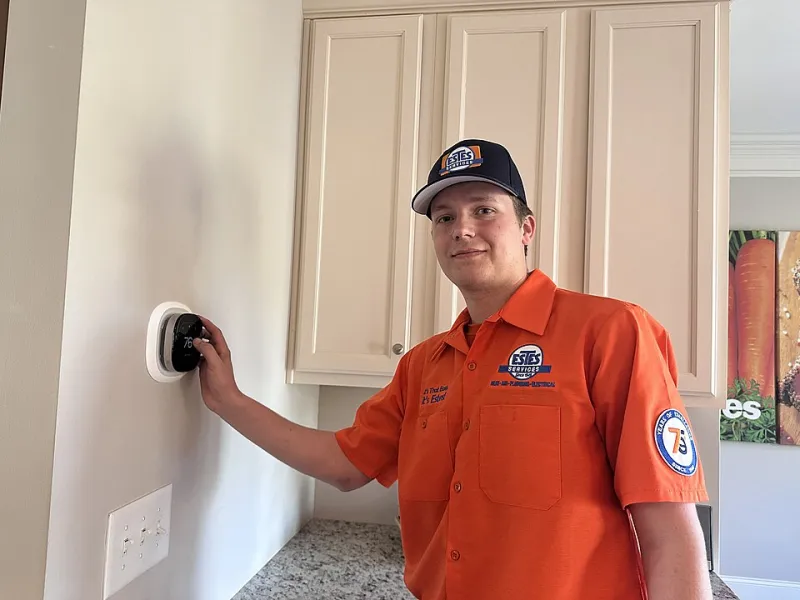
Photo: Cataarpo, CC0, via Wikimedia Commons
Most homeowners devote considerable attention to choosing a repair firm and comparatively little to the point at which the work is declared finished. Yet the closing conversation is where expectations are either confirmed or quietly left unresolved. A boiler that appears to work while the engineer is still present may behave differently once the system has cooled. A repaired lock may turn freely in daylight but reveal an alignment problem after dark. The purpose of a structured handover is not to distrust the trade; it is to replace assumption with evidence while the right person is still on site.
Why the Final Ten Minutes Carry Disproportionate Weight
By the time a repair is complete, both parties are usually ready to move on. The engineer has another job waiting, and the homeowner has a day to reclaim. This is precisely why the handover deserves a deliberate pause. Questions that feel awkward later are entirely natural in the moment, and observations made on site are far easier to resolve than those raised by telephone a fortnight afterwards.
A calm close also protects the repair business. Trades spend substantial time revisiting jobs where the customer was never shown how a new component operates, where a minor snag was not recorded, or where payment was made before a fault became apparent. A short, courteous checklist reduces that waste on both sides.
Test the Work in the Condition It Will Be Used
Begin with the system or fitting itself, and operate it as you normally would rather than accepting a brief demonstration. If heating or hot water has been repaired, run a tap and feel the temperature; allow the heating to run long enough to confirm that radiators reach heat evenly. If a drain has been cleared, run water through the fixture and watch for slow drainage or a new leak beneath the trap. Where an appliance has been repaired, complete a full cycle if time allows, or at least confirm that it starts, responds to controls and completes the function that previously failed.
For doors, windows and locks, test operation from both sides. Check that keys turn without excessive force and that the door closes squarely. For electrical work, confirm that sockets, switches and any residual current device behave as expected. If the job involved water, look for damp patches, drips or altered pressure. These checks take minutes and provide a far better picture than a verbal assurance.
Record the Finished State Properly
Photographs are useful, but only if they are taken with purpose. Capture the completed work in context, not just a close-up that could belong to any property. Include wider shots showing the location, and close-ups of any new parts, labels or serial numbers. Where a repair has replaced a component, photograph the part itself and any markings that identify it. If pipework, wiring or drainage has been altered, record the route before it is boxed in or covered.
Before-and-after images are particularly valuable where the original fault caused visible damage. Keep the images together in a folder named for the property and the date of the visit. A maintenance file does not need to be elaborate, but it should be findable months later when a warranty question arises or a buyer's surveyor asks for evidence of recent work.
Ask for the Paperwork That Outlasts the Visit
A clear invoice is the minimum. It should identify the trader, the date, the work carried out, the parts supplied and the amount paid, including VAT where applicable. Beyond the invoice, ask what documentation accompanies the specific type of work. Gas work should be supported by the relevant safety and commissioning records, and the engineer should be able to confirm registration. Electrical work may require a certificate depending on its scope. Where building regulations apply, ask who is responsible for notifying the local authority and what evidence you will receive.
Warranty terms deserve particular attention. Ask separately about the labour guarantee and the manufacturer's guarantee on parts, because the two often run for different periods and are claimed through different routes. Confirm whether the warranty depends on annual servicing, and note the exact part numbers or model details. A vague assurance that it is all covered is not the same as a written term.
Settle the Snag List Before Payment Changes Hands
A snag list is simply a written note of anything incomplete, imperfect or awaiting a return visit. It may include a replacement panel on order, a small making-good item, or a further test once another trade has finished. Record each item, agree who is responsible and set a realistic date for completion.
Payment should reflect the agreed position. It is reasonable to pay for work properly completed, and unreasonable to withhold the whole sum over a minor cosmetic point. Where a significant item remains outstanding, agree a specific retention rather than an informal promise. Put the arrangement in a short message or email so both parties hold the same record. The aim is a clear commercial close, not a standoff.
Leave With a Shared Understanding
Before the engineer departs, ask three closing questions. What caused the fault? What has been done to prevent a recurrence? Is there anything the household should monitor over the next few days? The answers often reveal useful maintenance advice that would otherwise be lost. Note them down, along with the name of the person who attended and a contact for follow-up.
A final walk-round with the engineer costs little and prevents the most common source of complaint: a customer discovering an obvious issue after the van has gone. Handled politely, the handover is not an audit. It is the natural conclusion of a professional job, and it leaves both homeowner and trade with a record they can rely on.