After-Hours Boiler Failures: A Practical Guide to Rental Repair Responsibilities
Photo: Gary Rogers , CC BY-SA 2.0, via Wikimedia Commons
A boiler failure at six o'clock on a cold November evening has a way of concentrating the mind. The heating stops, the hot water runs cold, and both tenant and landlord want to know the same thing: who is responsible, and how quickly should somebody act? The answer is rarely as simple as saying the landlord pays or the tenant pays. It depends on the cause of the fault, the terms of the tenancy, the urgency of the situation, and how well the problem has been reported.
This guide offers general information for UK rented homes. It is not legal advice, and tenancy agreements and local housing law can vary. Where a dispute becomes serious, tenants and landlords should seek independent advice from a relevant housing service, citizens advice body, or legal professional.
Start with the cause, not the clock
The time of day matters for urgency, but it does not by itself decide liability. A boiler that has failed through normal wear and tear is usually a landlord repair. A boiler that has been damaged by tenant misuse, neglect, or an unauthorised alteration is more likely to be a tenant responsibility. The same principle applies to radiators, pipework, taps, drains, and electrical fittings.
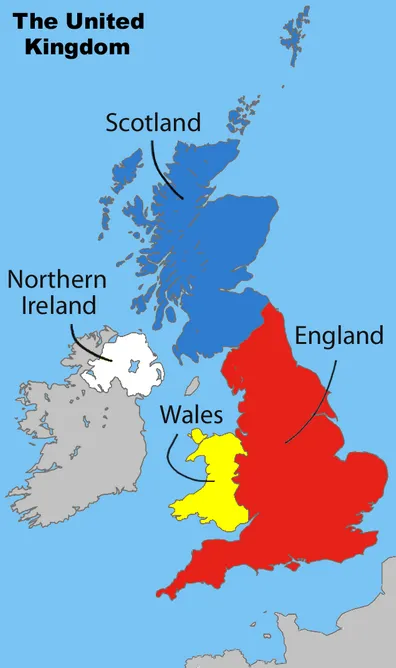
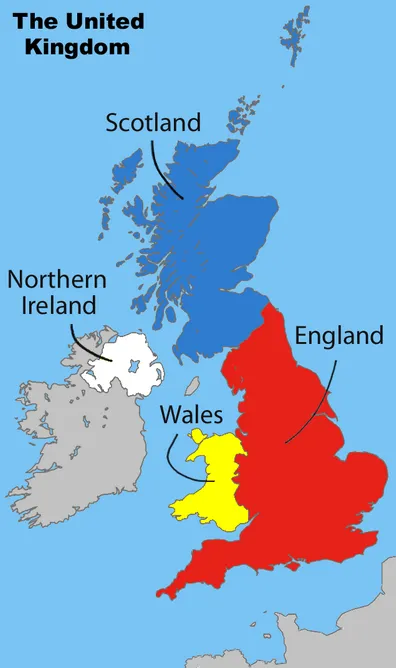
In England and Wales, landlords have statutory repairing obligations for many parts of the property, including the structure, exterior, heating, hot water, plumbing, and electrical wiring. Scotland has its own repairing standard, and Northern Ireland has separate tenancy rules. Across the UK, the tenancy agreement and the actual cause of the problem both matter.
What landlords are generally responsible for
Landlords are normally expected to keep the property in a reasonable state of repair and to ensure that heating and hot water systems work. That includes arranging repairs within a reasonable time once a fault has been reported. Landlords should also provide a clear route for reporting repairs, including an out-of-hours contact where one is promised, and should not ignore reports because they arrive in the evening or at a weekend.
Gas appliances bring additional duties. Landlords must arrange annual gas safety checks by a Gas Safe registered engineer and keep records available to tenants. They should also maintain smoke and carbon monoxide alarms in line with current requirements. If a repair involves gas, it must be handled by a suitably registered engineer.
What tenants are generally responsible for
Tenants are usually responsible for reporting faults promptly, allowing reasonable access for inspections and repairs, and taking sensible steps to prevent further damage. If a tenant or their guest causes damage, the tenant may be liable for the cost of putting it right. Some tenancy agreements also ask tenants to carry out minor maintenance, such as changing light bulbs or replacing smoke alarm batteries, provided this can be done safely.
Tenants should not attempt gas or electrical repairs. If a fault is worsening, such as water leaking near electrics, they should isolate the supply only if it is safe to do so and then contact the landlord or agent immediately.
The 6pm test: urgent, emergency, or routine?
A gas leak or suspected carbon monoxide leak is an emergency. The National Gas Emergency Service number in Great Britain is 0800 111 999. People should leave the property, avoid using switches or naked flames, and call from a safe place. A complete loss of heating and hot water in cold weather may be urgent, particularly where a vulnerable person lives in the home, but it is not automatically the same as a dangerous gas escape.
Tenants should check the tenancy agreement or welcome pack for an emergency repairs number. If the landlord cannot be reached and the situation is genuinely dangerous, a tenant may need to take reasonable steps to prevent harm or further damage. In that situation, keep receipts, photographs, and a written record of attempts to contact the landlord. For non-emergency faults, tenants should not normally authorise expensive work without agreement.
A simple responsibility table
| Situation | Likely responsibility | Practical next step |
|---|---|---|
| Boiler fails through normal wear and tear | Landlord | Report in writing and ask for a repair timescale |
| Boiler damaged by tenant misuse | Tenant | Tell the landlord promptly and agree a repair route |
| No heating or hot water in cold weather | Usually landlord | Use the emergency contact and document the report |
| Leaking radiator valve | Landlord if due to wear; tenant if damaged | Isolate safely if possible and contact the landlord |
| Smell of gas or carbon monoxide alarm sounds | Emergency situation | Call 0800 111 999 and follow safety advice |
| Tenant's own appliance causes a fault | Tenant | Use a qualified engineer and inform the landlord |
| Blocked drain caused by tenant waste | Usually tenant | Arrange clearance and keep evidence |
| Blocked drain caused by tree roots or structural failure | Usually landlord | Report with photos and request inspection |
Reporting without turning a fault into a dispute
Good communication is not bureaucratic; it is protective for both sides. Tenants should report faults in writing where possible, using email or the agent's portal. Include the date and time, what happened, what has been checked, and clear photographs or short videos. If a phone call is made, follow it with a written summary. Landlords and agents should acknowledge the report, explain the next step, and give a realistic timescale.
If communication breaks down, keep a simple log of calls, messages, visits, and contractor findings. Avoid withholding rent as a bargaining tool without advice, as this can create a separate problem. Serious hazards can sometimes be raised with the local council's environmental health department. Redress schemes and complaint procedures may also apply to letting agents and landlords in some parts of the UK.
Small faults become costly when they are left to worsen. A dripping valve can damage ceilings; a failed boiler can lead to damp and emergency hotel costs; a missed gas safety issue can become dangerous. Clear reporting, prompt action, and a written record of who agreed to what will usually resolve the matter faster than a debate about the time on the clock.